American Made 4th July SVG Design Review
As a designer who spends more time staring at stitch simulations than most people care to admit, I approach every new digital embroidery file with a mix of optimism and skepticism. The market is flooded with patriotic graphics, but finding one that translates well from a screen to actual thread is a different beast entirely. Recently, I took a close look at the American Made 4th July Svg Design to see if it holds up under the needle for real-world craft business applications. This isn't just about whether the lines look crisp on a monitor; it is about how this asset performs when you are trying to create a high-quality handmade product that a customer will wear, wash, and cherish.
First Impressions and Visual Personality
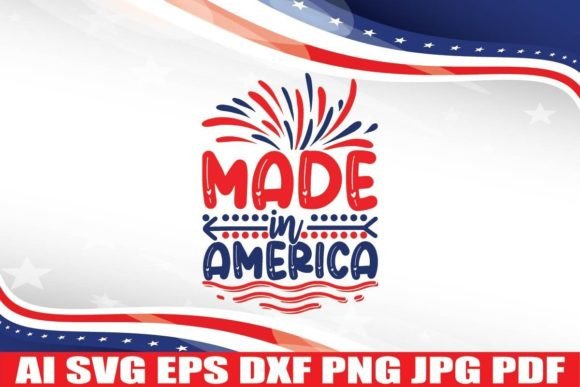
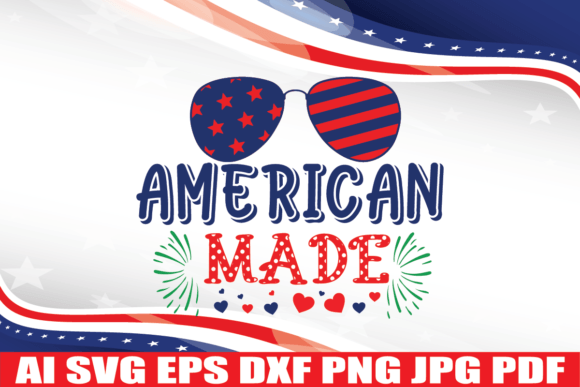
When I first opened the files included in this download—specifically the SVG, AI, and EPS formats within the broader Crafts and Graphics category—my immediate thought was about versatility. The design carries a classic, bold aesthetic that screams "summer celebration" without feeling cluttered. For an embroidery project, clean lines are non-negotiable. Complex gradients that look great in print often turn into a muddy mess when converted to satin stitch or fill stitch by digitizing software. While this product arrives as vector graphics intended for cutting machines like Cricut or Silhouette for vinyl decals and stencil templates, the underlying shapes suggest strong potential for embroidery adaptation.
The mood is undeniably festive yet grounded. It avoids the overly cartoonish trends that can date a small shop product quickly. Instead, it offers a timeless layout that feels appropriate for everything from a rustic kitchen towel to a structured embroidered patch. The balance of negative space and solid elements suggests that, if digitized correctly or used as a template for appliqué, it would maintain its integrity even on textured fabrics.
Real-World Application: The Tote Bag Scenario
To truly test the viability of the American Made 4th July Svg Design, I visualized a specific client request: a custom order for a local boutique needing fifty tote bag designs for a holiday market. The client wanted something that looked professional but handmade. Using this graphic as a guide for an appliqué method or a dense fill approach on canvas fabric seemed like the perfect test case.
In this scenario, the bold nature of the design works in your favor. On a tote bag, you are dealing with a heavier fabric texture that can swallow fine details. A design with strong silhouettes, like this one, ensures readability from a distance. If you were to use this for sweatshirt embroidery, the same logic applies. The thick strokes required for a durable finished product align well with the graphic's existing weight. Imagine this stitched onto a navy blue hoodie with red and white thread colors; the contrast would be striking, creating a piece of custom apparel that feels premium rather than cheap.
For Etsy sellers looking to expand their holiday catalog, this design fits neatly into the "patriotic home decor" niche. Whether applied to a pillow cover or a tea towel, the composition suggests a centered, balanced look that appeals to buyers seeking traditional Americana. It is the kind of graphic that, when executed with high-quality stitching, builds customer trust because it looks intentional and well-crafted.
Navigating Technical Challenges
However, enthusiasm must be tempered with technical reality. Since the American Made 4th July Svg Design is primarily marketed for cutting and printing purposes (including scrapbooking and card making), using it for machine embroidery requires some foresight. If you are digitizing this yourself or sending it to a digitizer, pay close attention to stitch density. Graphics designed for vinyl often have sharp, intricate corners that can cause thread breaks or bird nests if the stitch count is too high in a small area.
You must also consider the hoop size limitations of your machine. If you plan to scale this down for a baby embroidery project, such as a onesie or a small hat, ensure that any internal details do not become so small that they vanish under the thread. Tiny lettering or thin connecting lines in the original SVG might need to be thickened before being converted into a machine embroidery design.
Fabric choice is another critical factor. While this design would shine on stable cotton or denim, using it on stretchy performance fabric or dark, plush materials requires careful planning. On dark fabrics, you may need to adjust the underlay or use a lighter backing to prevent the base material from showing through the stitches, which can ruin the visual appeal. Furthermore, if you are applying this to curved surfaces like caps, the layout must be adjusted to account for the curvature, or the design will look distorted once stitched.
Maximizing Value for Your Craft Business
From a commercial standpoint, the value of a design lies in its adaptability. The American Made 4th July Svg Design offers a solid foundation for various revenue streams. Beyond physical goods, these files are excellent for creating printable mockups to list in your online store before you even stitch a single thread. This allows you to gauge market interest and refine your marketing strategy.
For those selling design assets or finished goods, consistency is key. Using a cohesive set of graphics for your holiday collection helps establish brand consistency. If your customers recognize your specific style of patriotic decor, they are more likely to return for future holidays. This design supports that goal by offering a clean, recognizable silhouette that can be easily branded with your shop's tag or signature stitch style.
It is also worth noting the importance of licensing. While the product description mentions usage for many purposes, always confirm the specific terms regarding commercial embroidery projects. Some creators allow unlimited sales of finished physical items but restrict the resale of the digital file itself. Clarifying this upfront protects your craft business from potential legal issues and ensures you can sell your personalized gifts with confidence.
Practical Designer Notes for Success
Before committing to a large production run, I strongly advise running a test stitch-out on scrap fabric that matches your final material. Check the tension and ensure the stabilizer you choose provides enough support without being too stiff. If you are using this for an applique design, test the tack-down stitch to ensure the fabric edges are secured cleanly.
- Contrast Check: View the design in black and white to ensure the shapes remain distinct without relying on color.
- Detail Inspection: Zoom in on the vector file to identify any nodes or anchor points that might cause jagged edges when stitched.
- Wash Testing: Once stitched, wash the sample item to see how the threads hold up against friction and detergent, ensuring longevity for the buyer.
- Format Verification: Since the download includes AI, SVG, PNG, JPG, DXF, PDF, and EPS, ensure you are importing the correct vector format (AI, SVG, EPS, DXF) into your digitizing software for the best results.
In conclusion, the American Made 4th July Svg Design is a robust asset for the creative entrepreneur. It bridges the gap between digital convenience and tactile craftsmanship. With careful preparation and an eye for detail, it can elevate your holiday embroidery offerings, turning simple graphics into cherished heirlooms and profitable inventory. Whether you are decorating a kitchen towel or launching a new line of boutique apparel, this design provides the structural integrity needed to make a lasting impression.