Canada Maple Leaf SVG: A Designer’s Stitch Review
As an embroidery designer who spends more time staring at stitch simulations than I do sleeping, I have learned to look past the glossy preview images. We all know that a design can look crisp on a screen and turn into a tangled mess of thread breaks and puckering once it hits the hoop. When I first pulled up the Canada Maple Leaf SVG, my initial reaction was one of cautious optimism. It is a classic motif, yes, but the devil is always in the details—specifically, how those details translate from a vector graphic into a tangible machine embroidery design.
This isn’t just about patriotism or seasonal decor; it is about finding a reliable asset for your craft business. Whether you are an Etsy seller looking to refresh your summer lineup or a hobbyist making a personalized gift for a neighbor, the usability of this file matters. Let’s walk through how this design holds up under the needle.
First Impressions: Shape, Flow, and Visual Personality
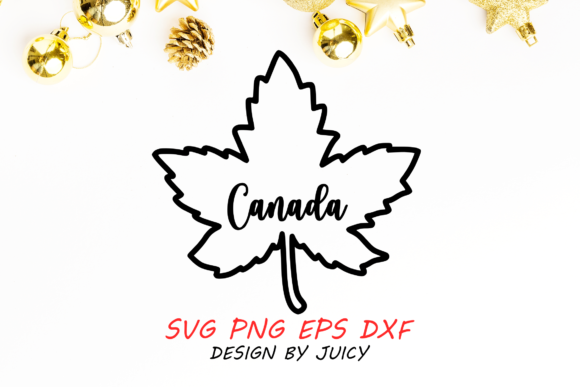
The immediate appeal of the Canada Maple Leaf SVG lies in its recognizable silhouette. In the world of Graphics and digital assets, simplicity often wins because it translates better across various mediums. The leaf shape is iconic, carrying a mood that is both rustic and refined. For embroidery, this is crucial. Complex, overly intricate leaves often require micro-stitching that machines struggle with, leading to frequent thread breaks.
From a layout perspective, this design feels balanced. It doesn’t appear to have unnecessary internal clutter that would confuse the eye or the machine. The visual personality is clean, which suggests it would work well with standard satin stitch borders or a simple fill stitch interior. This versatility is what makes it a strong candidate for a wide range of embroidery projects. It feels less like a rigid clip-art piece and more like a flexible design element that can adapt to the texture of the fabric it lands on.
Real-World Application: From Screen to Stitch
To truly evaluate a design, you have to imagine it on a real product. I recently considered a project for a local boutique client who wanted a line of custom apparel for Canada Day. They were hesitant about large, heavy designs on lightweight cotton tees. This is where the Canada Maple Leaf SVG shines. Because the shape is distinct, it works beautifully as a left-chest logo on a sweatshirt embroidery project or as a central feature on a canvas tote bag design.
I envision this design performing exceptionally well on structured items. Think of a denim jacket back patch or a sturdy embroidered patch meant for iron-on application. The bold lines of the maple leaf allow for clear definition even when scaled down. For baby embroidery, such as a onesie or a burp cloth, the design’s simplicity means you can reduce the stitch density slightly to keep the fabric soft against sensitive skin, without losing the recognizability of the symbol.
Furthermore, for those of us selling digital embroidery file packages, this type of evergreen design is a staple. It fits neatly into categories like holiday embroidery but remains relevant for travel-themed goods or nature-inspired collections year-round. It adds value to a bundle because it is versatile enough to be used on kitchen towels, pillow covers, and even commercial embroidery uniforms for local businesses wanting to show community pride.
Navigating Fabric and Hoop Constraints
While the design is robust, no SVG is immune to the physics of embroidery. Here is where my designer instincts kick in regarding potential pitfalls. If you are planning to stitch this on stretchy fabrics like jersey knits or performance wear, you must be mindful of stabilization. The natural curves of the maple leaf points can distort if the fabric shifts. Using a cut-away stabilizer is non-negotiable here to maintain the integrity of the shape.
Another consideration is hoop size. While this design likely scales well, pushing it too small on a 4x4 hoop might cause the finer points of the leaf to merge. Always test a sample on scrap fabric first. I recommend stitching it out in a single color first to check the pathing. If the jump stitches are excessive, you might need to manually edit the file or choose a placement that hides the trim points, such as under a collar or seam.
Dark fabrics present another challenge. If you are using light thread colors on navy or black fabric, ensure your underlay stitches are sufficient to prevent the background fabric from peeking through. Conversely, on textured fabrics like linen or terry cloth, a denser fill might get lost. In these cases, consider using the SVG as an applique design outline, cutting a contrasting fabric to fill the leaf shape. This reduces stitch count and gives a premium, layered look that customers love.
Enhancing Product Value and Brand Consistency
Why does this specific design matter for your bottom line? In the crowded marketplace of small shop product listings, clarity sells. A muddy, unclear design looks amateurish. The Canada Maple Leaf SVG, when stitched correctly, conveys professionalism. It signals to the buyer that the maker understands proportion and clean execution.
For handmade product sellers, consistency is key. If you use this design on a series of items—say, a matching set of tea towels and aprons—it creates a cohesive brand aesthetic. The recognizable shape acts as a visual anchor. When customers see a crisp, well-defined maple leaf, they associate it with quality. This builds trust, which is essential for repeat business. Moreover, for those creating printable mockup images for their online stores, this design photographs well. Its symmetrical nature allows for balanced composition in product photos, enhancing the overall presentation of your design assets.
Practical Notes for the Embroidery Professional
Before you load this file into your machine for a paid order, take a moment to run through this checklist. These steps separate the amateurs from the pros:
- Check the License: The product description mentions it is perfect for greeting cards, T-shirts, and home decor, but always confirm if the license covers commercial sales of finished physical items. Never assume.
- Test Stitch Density: Run a test on the actual fabric you intend to use. If the design feels stiff or board-like, reduce the density in your software.
- Contrast Check: View the design in black and white on your screen. If the details disappear, they will disappear in thread too. Adjust your color choices accordingly.
- Corner Inspection: Zoom in on the tips of the maple leaf. Ensure the stitch angles are sharp enough to create a point, not a rounded blob.
- File Compatibility: Verify that the embroidery file format matches your machine (PES, DST, JEF, etc.). Conversion can sometimes alter stitch paths.
In conclusion, the Canada Maple Leaf SVG is a solid addition to any designer’s library. It bridges the gap between simple Crafts projects and professional-grade custom apparel. It respects the limitations of the medium while offering enough stylistic flexibility to keep your product line fresh. Whether you are stitching a single personalized gift or producing a batch for a craft fair, this design offers the reliability and visual appeal needed to create a standout finished product. Just remember: the file is only as good as the setup. Treat it with care, test it thoroughly, and let the needle do the rest.