Review: October 31 Halloween SVG for Embroidery
As a designer who spends more time staring at stitch maps than most people care to admit, I approach every new digital embroidery file with a mix of optimism and skepticism. When I first opened the October 31 - Halloween SVG, my immediate goal wasn't just to admire the graphic; it was to visualize how those vector lines would translate into thread on actual fabric. In the world of Crafts and Graphics, a design that looks crisp on a screen can sometimes turn into a muddy mess under the needle if the details aren't right. This review breaks down how this specific asset holds up when moved from a computer folder to a real-world embroidery project.
First Impressions and Visual Personality
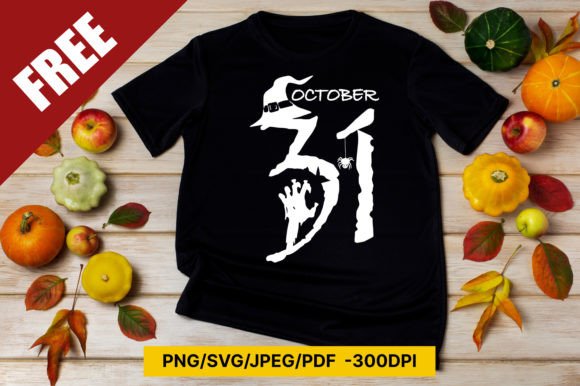
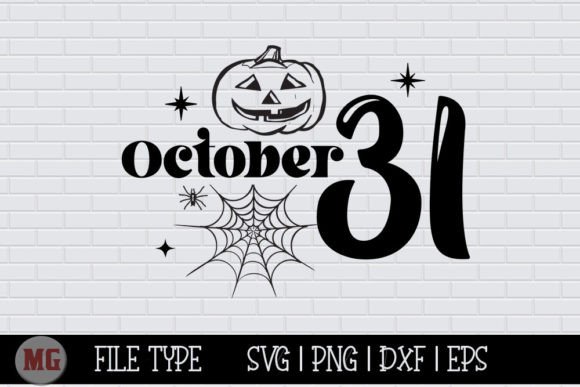
The moment you unzip the package, you are greeted with a versatile set of formats: SVG, PNG, EPS, and DXF. For us embroidery enthusiasts, the SVG and DXF files are the heavy lifters here. The design itself carries a distinct mood—it feels playful yet classic, capturing that specific "spooky season" energy without leaning too hard into horror. The layout suggests a balanced composition, which is crucial when you are trying to center a motif on a garment or home decor item.
Visually, the personality of the October 31 - Halloween SVG leans towards the whimsical side of holiday decor. It has the kind of clean lines that suggest it would convert beautifully into a satin stitch border or a solid fill stitch body, depending on how you digitize it or if you are using it as an applique template. The shapes appear robust enough to handle the pull of the thread, which is always my first concern when evaluating a new graphic for conversion.
Real-World Application: The Tote Bag Test
To truly gauge the potential of this design, I imagined a specific scenario: preparing a run of custom tote bags for a local boutique's Halloween pop-up shop. Tote bags are a staple for Etsy sellers and small shop products because they offer a large, flat canvas. Using the October 31 - Halloween SVG as a guide for an applique design, I could see this working exceptionally well. You could cut felt or cotton fabric using the SVG as a cutting template, then stitch it down onto a canvas bag.
In this context, the design's clarity is paramount. If the details are too fine, they get lost in the weave of the canvas. However, the bold nature of this graphic suggests it would stand out nicely against a neutral background. For a handmade product intended for sale, the visual appeal needs to scream quality from across a craft fair table. This design has that "stop-and-look" factor, making it a strong candidate for commercial embroidery projects where first impressions drive sales.
Versatility Across Different Products
Beyond tote bags, the adaptability of this file is impressive. Here is how I see it performing across various mediums:
- Custom Apparel: On a black sweatshirt, this design could be stitched in bright orange or neon green thread for high contrast. It works well for sweatshirt embroidery where the fabric is thick enough to support denser stitching.
- Baby Embroidery: Scaled down, this could adorn a onesie or a bib. The playful theme fits perfectly for personalized gifts for new parents celebrating their baby's first Halloween.
- Home Decor: Imagine this stitched onto a pillow cover or a kitchen tea towel. The October 31 - Halloween SVG adds a seasonal touch to holiday embroidery collections without being overly aggressive.
- Embroidered Patches: Because the shapes seem self-contained, this would make an excellent patch. You could stitch it on twill, merrow the edges, and sell it as a standalone accessory.
Technical Considerations for Stitching
While the graphic potential is high, we must discuss the technical realities of turning a Graphics file into a machine embroidery design. Since the product provides vector files (SVG, EPS, DXF), you will likely need to digitize this yourself or use software to auto-digitize it. This is where your judgment as a creator comes into play.
You need to be mindful of stitch density. If you convert the solid areas of the SVG directly into fill stitches without adjusting the density, you risk creating a stiff, cardboard-like patch on soft fabric. For stretchy fabrics like t-shirts, you must ensure your digitizing includes proper underlay and perhaps a lighter fill pattern to maintain the drape of the garment. Additionally, check the hoop size requirements. While the design looks scalable, ensure your machine's hoop can accommodate the size you intend to stitch, especially if you are working on curved surfaces like caps.
Textured fabrics present another challenge. If you are stitching on a waffle knit or a heavy towel, small details in the design might get swallowed by the fabric texture. In such cases, increasing the satin stitch width or simplifying the inner details during the digitizing phase is a smart move. Always test the design on scrap fabric that matches your final material before committing to the final finished product.
Color Strategy and Contrast
The success of this design heavily relies on your choice of thread colors. The October 31 - Halloween SVG likely relies on traditional autumnal palettes, but don't be afraid to experiment. A monochromatic look using varying shades of grey on a dark hoodie can look incredibly modern and sophisticated. Conversely, high-contrast combinations like purple and yellow will maximize visibility for printable mockup photos and online listings.
Before finalizing your color scheme, create a black-and-white mockup. This helps you verify that the design holds its shape and recognition even without color. If the design loses its identity in grayscale, you may need to adjust the spacing between elements to improve stitching clarity.
Business Value and Brand Consistency
For creative entrepreneurs and apparel decorators, consistency is key to building trust. Using a cohesive set of designs like the October 31 - Halloween SVG across your product line helps establish brand recognition. Whether you are selling digital assets or physical goods, the professionalism of your output reflects directly on your reputation.
This design offers a solid foundation for craft business growth. It is versatile enough to be used in multiple ways without feeling repetitive. For an Etsy seller, having a design that works on both a mug wrap (via sublimation using the PNG) and an embroidered apron allows you to cross-sell items effectively. It enhances the perceived value of your custom apparel and makes your holiday gifts feel more thoughtful and curated.
Final Verdict and Designer Notes
The October 31 - Halloween SVG is a promising asset for anyone looking to expand their seasonal catalog. It strikes a good balance between festive fun and design integrity. However, remember that the included files are graphics, not pre-digitized embroidery files. You will receive a zip file with SVG, PNG, EPS, and DXF formats, which means the responsibility of converting these into stitch-ready data lies with you or your digitizer.
Before launching your production run, keep these practical tips in mind:
- Test First: Always stitch out a sample on scrap fabric to check for registration issues or puckering.
- Check Licensing: Confirm the license terms provided with the download. Ensure you are cleared for commercial use if you plan to sell finished items or digital derivatives.
- Stabilizer Selection: Match your stabilizer to your fabric. Cut-away stabilizer is usually best for stretchy knits, while tear-away works for stable wovens.
- Inspect Details: Zoom in on the vector file to ensure there are no stray nodes or open paths that could confuse your cutting machine or digitizing software.
In conclusion, this design is a versatile tool for makers who understand the nuances of translating graphics into thread. With careful preparation and thoughtful digitizing, the October 31 - Halloween SVG can become a standout piece in your portfolio, delighting customers and adding a touch of seasonal magic to your handmade creations.