Spooky Season SVG: A Designer's Take on Halloween Embroidery
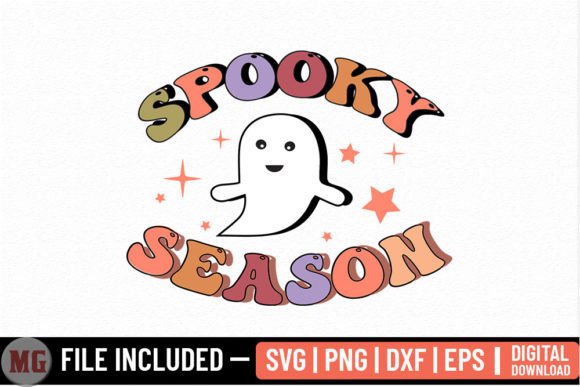
As the air turns crisp and pumpkin spice lattes start appearing on every corner, my inbox inevitably fills with requests for Halloween-themed custom work. This year, I decided to take a closer look at the Spooky Season - Halloween SVG to see if it holds up under the needle for real-world projects. When you are running a small shop or managing client orders for boutique products, you cannot afford to waste time on graphics that look great on a screen but fail once digitized and stitched out.
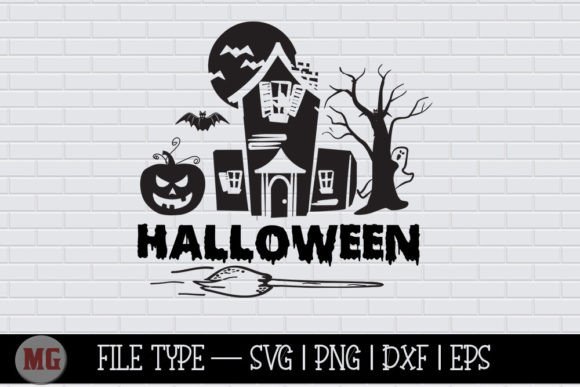
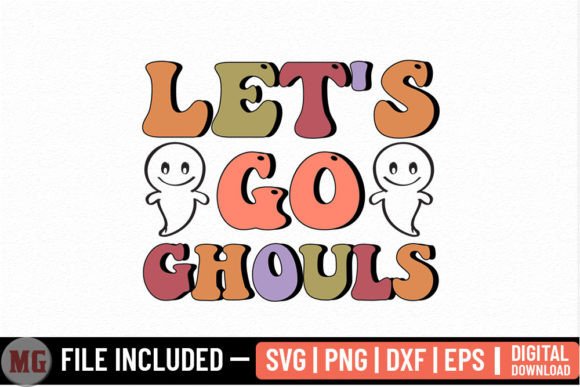
My first impression of this design asset was its clean, bold personality. In the world of Crafts and Graphics, simplicity often wins, especially for seasonal items that need to read clearly from a distance. The layout feels balanced, avoiding the clutter that plagues so many holiday files. It has a playful yet slightly eerie vibe that fits perfectly into the current trend of "cozy spooky" decor. For an embroidery designer, this visual clarity is crucial because it suggests the paths will be logical, reducing the risk of thread breaks or messy jump stitches during production.
Putting the Design to the Test: Real-World Applications
To truly evaluate the Spooky Season - Halloween SVG, I imagined a specific scenario: a local coffee shop owner needed a batch of branded tote bags and aprons for their October pop-up event. They wanted something festive but not childish, professional enough for staff wear but fun enough for customers to buy as merchandise. This is where the versatility of the file format becomes essential. Since the package includes SVG, PNG, EPS, and DXF files, the workflow is flexible. I could easily import the vector data into my digitizing software to create a tailored machine embroidery design or use the raster PNG for a quick printable mockup to show the client before committing to thread.
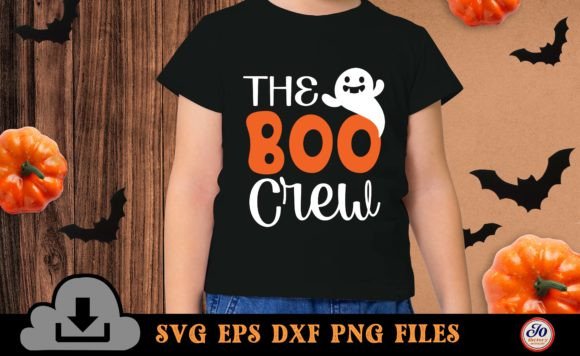
For custom apparel like sweatshirts or hoodies, this graphic shines. The shapes are substantial enough to handle a fill stitch without losing definition. If you are creating sweatshirt embroidery, the density of the design allows it to sit well on heavier fabrics like French terry or fleece. It doesn't get lost in the texture of the material. Similarly, for a tote bag design, the bold lines ensure the message is legible even when the bag is slung over a shoulder or stuffed with groceries. It transforms a plain canvas bag into a statement piece, increasing the perceived value of the handmade product.
I also considered its potential for baby embroidery. Parents are always looking for adorable, seasonal outfits for their little ones. With some adjustments to the stitch density and perhaps swapping a dense fill for a lighter running stitch or satin border, this could become a charming motif on a onesie or a nursery pillow cover. However, one must always be cautious with intricate details on stretchy knits; the stability of the final finished product depends heavily on proper stabilization.
Technical Considerations for Professional Results
While the aesthetic appeal is strong, a professional reviewer must look beyond the surface. Where should you use caution? If you are planning to apply this to a curved surface like a cap, the width of the design might be challenging depending on your hoop size. Caps have limited real estate, and forcing a wide graphic onto a small front panel can cause registration issues or puckering. In such cases, scaling down the design requires careful attention to the smallest elements. If the original graphic has very fine lines, reducing it too much might result in those details disappearing entirely once stitched.
Fabric choice is another critical factor. On dark fabrics, which are popular for Halloween, you will need to select high-contrast thread colors. Orange, lime green, or electric purple against black or charcoal grey creates that classic spooky pop. However, if you attempt this on a textured fabric like a waffle knit or a heavy wool blend, the smooth edges of the vector art might appear jagged if the digitizing isn't optimized for that specific fabric texture. Always test the design on scrap fabric first. This simple step saves hours of frustration and prevents ruining expensive client garments.
Furthermore, consider the washing instructions for the end user. If this design is intended for an apron or a kitchen towel that will see frequent laundering, the stitch count and underlay structure must be robust. A weak underlay can lead to the design lifting or distorting after just a few washes, which damages your reputation as a maker. For commercial embroidery projects, durability is just as important as aesthetics. Ensure your stabilizer choice matches the garment weight; a cut-away stabilizer is often safer for stretchy items, while tear-away might suffice for stable woven cottons.
Enhancing Brand Value and Customer Trust
Using a high-quality source file like the Spooky Season - Halloween SVG directly impacts your brand consistency. When customers see crisp, well-executed embroidery, they associate that quality with your entire shop. Whether you are an Etsy seller listing digital assets or a creator selling physical small shop products, professionalism builds trust. A sloppy stitch job on a trendy design can turn a potential repeat customer away, whereas a polished execution encourages word-of-mouth referrals.
This design also offers excellent opportunities for personalized gifts. Imagine adding a name below the main graphic in a complementary font, or creating a set of matching family shirts for trick-or-treating. The modular nature of the SVG allows you to manipulate the layers (if your software supports it) or combine it with other elements to create unique variations. This flexibility is gold for creative entrepreneurs who need to offer customization without starting from scratch every time.
Final Verdict and Designer Notes
In conclusion, the Spooky Season - Halloween SVG is a solid addition to any digital library for the autumn season. Its strength lies in its adaptability across various mediums, from embroidered patches to large-scale wall hangings. However, success lies in the preparation. Before launching into a full production run, verify the licensing terms included in the zip file to ensure you are compliant for both personal and commercial use. Check the file integrity in your preferred vector editor to ensure no nodes are missing.
Remember to review the stitch density settings in your digitizing software to match your specific thread brand and machine capabilities. What works on one machine might need tension adjustments on another. Finally, always view your design in a black-and-white mockup to check for contrast issues before threading up the machine. By treating this graphic as a foundation rather than a finished solution, you can elevate it into a premium holiday embroidery product that delights customers and stands the test of the season.