Sunflower Rainbow SVG: A Designer's Review for Embroidery
As a designer who spends more time staring at stitch simulations than most people care to admit, I approach new design assets with a healthy dose of skepticism. We have all been there: you download a file that looks vibrant on the screen, only to find it turns into a bird's nest of thread once it hits the fabric. Recently, I got my hands on the Sunflower Rainbow SVG Sublimation Shirt design package. While the product title suggests a focus on sublimation and digital graphics, my immediate instinct was to evaluate its potential as a foundation for a physical machine embroidery design. Can a vector graphic meant for printing translate effectively into stitches? Let's dig into the practical reality of using this file for real-world projects.
First Impressions: Mood and Visual Personality
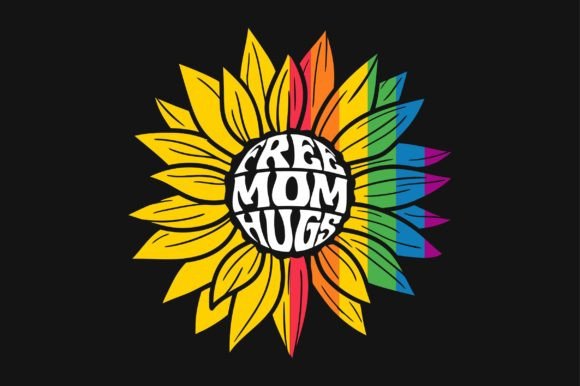
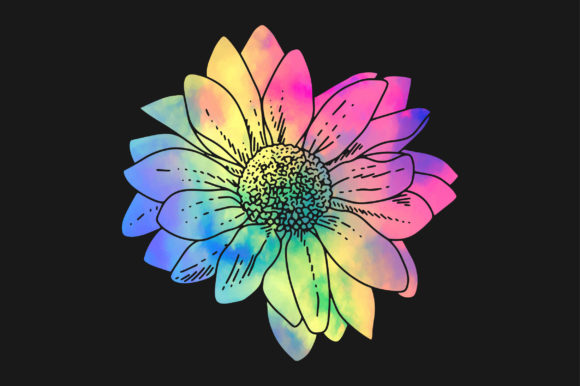
Opening the files, the first thing that strikes you is the cheerful, optimistic mood. The combination of a classic sunflower motif with a rainbow arc creates a visual personality that is undeniably warm and inviting. For those of us running a craft business or selling on Etsy, understanding the "vibe" of a design is crucial because it dictates who will buy the finished product. This particular layout screams spring, nursery decor, and joyful personalized gifts.
The description notes that the design is made with 100 vector shapes and is resizable. From a graphic design standpoint within the Crafts and Graphics categories, this is excellent news. It means the lines are clean, and the color separation is likely distinct. However, for an embroiderer, "resizable" comes with a caveat. Just because a vector scales infinitely without pixelating doesn't mean the details will hold up when translated into thread. The simplicity of the shapes suggests it could work well as an applique design or a clean fill stitch project, provided we manage the density correctly.
Real-World Application: The Tote Bag Test
To truly test the viability of the Sunflower Rainbow SVG Sublimation Shirt concept in an embroidery context, I envisioned a specific real-life scenario: a custom embroidered tote bag for a local farmer's market vendor. Tote bags are a staple for small shop products, and they require designs that are bold enough to be seen from a distance but durable enough to withstand heavy use.
If I were to adapt this graphic for embroidery, I would likely treat the sunflower as a large fill area and the rainbow as a series of satin columns. The broad strokes of the rainbow arcs are perfect for satin stitch, which offers a lovely sheen that mimics the vibrancy of the original sublimation intent. The sunflower petals, depending on their size in the resized version, could handle a fill stitch with a slight texture to mimic organic growth. On a canvas tote, this design would pop beautifully, offering high brand consistency for a boutique looking to project eco-friendly, happy energy.
However, if you are planning to use this for sweatshirt embroidery or baby embroidery, the approach changes. Sweatshirts have a looped texture that can swallow fine details. In this case, the "100 vector shapes" mentioned in the file description might need to be simplified. Too many small shapes result in excessive trimming and potential registration issues when stitching on fleece or French terry cloth.
Navigating Fabric Challenges and Hoop Constraints
One of the critical aspects of reviewing any digital embroidery file source is identifying where it might fail. While the Sunflower Rainbow SVG Sublimation Shirt graphic is versatile, translating it to thread requires caution in several areas:
- Small Hoop Sizes: If you attempt to shrink this design to fit a 4x4 hoop for a pocket logo or a cap, you risk losing the definition of the individual rainbow bands. The curves might become jagged if the stitch count isn't optimized for small scales.
- Textured and Stretchy Fabrics: Using this on a pique polo or a stretchy knit requires a robust stabilizer. Without it, the dense areas of the sunflower center could cause the fabric to pucker, ruining the smooth arc of the rainbow.
- Dark Fabrics: The original design likely assumes a white or light background typical of sublimation blanks. If stitching on a navy or black garment, you must plan for underlay stitches or perhaps outline the entire design in white to prevent the dark fabric from showing through the gaps between thread colors.
- Dense Stitch Areas: If the vector shapes are converted directly to fills without adjusting density, the center of the sunflower could become a hard, cardboard-like patch. This reduces the comfort of custom apparel and affects the drape of the fabric.
Enhancing Product Value and Customer Trust
Why go through the trouble of adapting a sublimation-style SVG for embroidery? The answer lies in perceived value. An embroidered patch or direct-to-garment stitch has a tactile quality that print cannot match. When a customer touches a high-quality handmade product featuring textured stitching, their trust in the brand increases. Utilizing the Sunflower Rainbow SVG Sublimation Shirt as a blueprint for embroidery allows you to offer a premium tier of merchandise.
For Etsy sellers and creative entrepreneurs, this differentiation is key. While everyone else is selling the standard printed tee, you can offer a limited run of embroidered hoodies or tote bags using this same beloved motif. This strategy boosts buyer engagement because the item feels exclusive and crafted with care. The visual appeal of the rainbow against the yellow sunflower translates exceptionally well into thread, provided you select high-sheen rayon or polyester threads that catch the light.
Practical Notes for the Professional Embroiderer
Before you commit this design to a client's order, here are my professional recommendations for ensuring success:
- Test on Scrap First: Never skip the sample run. Stitch the design on the exact same fabric weight and type you intend to use for the final embroidery project.
- Check Color Contrast: Ensure the transition between the rainbow colors is distinct. If two shades are too similar in the thread chart, the effect will be lost. You may need to manually adjust the color stops in your digitizing software.
- Review Stitch Density: Since the source is a vector graphic, you (or your digitizer) need to determine the appropriate stitch density. Aim for a balance that covers the fabric without creating bulk.
- Inspect Small Details: Look closely at the connection points between the sunflower and the rainbow. Are there tiny, isolated islands of stitches that might not anchor well? These often need tie-ins or bridging.
- Verify Licensing: The product description mentions "Easy to change colors," which implies editability. However, always confirm the license terms regarding commercial use. Are you allowed to sell the stitched finished product? Can you resell the digitized file? Clarity here protects your craft business from legal issues.
- Mockup Testing: Even though this is for embroidery, create a black-and-white mockup first. If the design doesn't read well in grayscale, the contrast might be insufficient for stitching clarity.
In conclusion, the Sunflower Rainbow SVG Sublimation Shirt design holds significant promise for the imaginative embroiderer. It bridges the gap between digital Graphics and tangible textile art. While it originates as a sublimation asset, its clean vector structure makes it a strong candidate for adaptation into a stunning machine embroidery design. Whether you are creating holiday embroidery for gifts, nursery decor for new parents, or branded merchandise for a boutique, this design offers a cheerful foundation. Just remember that the magic happens not in the download, but in the thoughtful preparation, stabilizer selection, and stitch planning that turns a flat image into a lasting, textured masterpiece.